The world of digital photography is evolving faster than ever. Technological advancements, shifting consumer preferences, and the rise of social media have transformed the way photographers capture, edit, and share images. For both professional and aspiring photographers, staying informed about the latest trends is crucial for remaining competitive and relevant in a fast-paced industry. From AI-powered tools to immersive imaging techniques, the future of photography promises exciting opportunities for creativity and innovation.
Here’s an in-depth look at the top digital photography trends that are shaping the future.
1. Artificial Intelligence in Photography
Artificial intelligence (AI) is increasingly influencing how photographers capture and process images. AI-powered cameras and software can automatically enhance photos, detect faces, suggest optimal settings, and even remove unwanted objects.
- Smart Editing Tools: AI algorithms can analyze images to adjust lighting, color balance, and sharpness with minimal human intervention.
- Enhanced Composition Suggestions: Some cameras and apps use AI to recommend better framing and composition based on visual analysis.
- Automated Post-Processing: AI can create multiple versions of a single photo, offering photographers creative alternatives in seconds.
As AI technology becomes more sophisticated, photographers can spend less time on technical adjustments and more on creative storytelling.
2. Mobile Photography Dominance
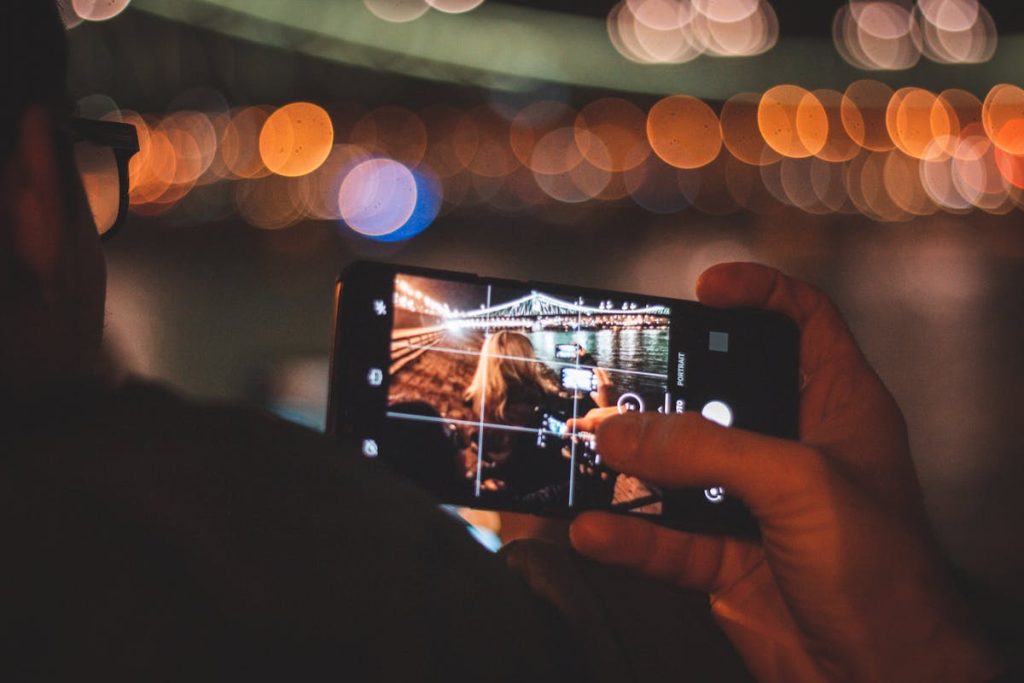
Smartphone cameras are now equipped with advanced sensors, multiple lenses, and AI-driven capabilities that rival traditional cameras. Mobile photography is no longer just convenient; it’s a powerful tool for professional work.
- High-Resolution Mobile Cameras: Phones with multiple lenses allow for wide-angle, telephoto, and macro shots.
- Editing Apps: Mobile apps provide professional-grade editing features on the go.
- Instant Sharing: Social media platforms enable photographers to reach audiences instantly, transforming the way images are consumed and marketed.
This trend highlights the importance of versatility — photographers must adapt to mobile formats while maintaining professional quality.
3. Drone and Aerial Photography
Drone technology has opened new perspectives in photography, allowing for breathtaking aerial shots that were once impossible without helicopters or specialized equipment.
- Creative Perspectives: Drones enable photographers to capture landscapes, events, and urban scenes from unique angles.
- Cinematic Storytelling: Aerial shots are increasingly integrated into video and marketing projects, adding dramatic impact.
- Accessibility: Compact and affordable drones have made aerial photography accessible to both amateurs and professionals.
Drone photography is expected to continue growing, particularly in real estate, tourism, and commercial advertising.
4. Immersive Photography: 360° and VR
Virtual reality (VR) and 360-degree photography are revolutionizing how audiences experience images. This immersive approach allows viewers to explore an environment interactively rather than passively observing it.
- 360° Photography: Ideal for real estate, travel, and events, providing a full visual experience.
- Virtual Tours: Museums, hotels, and venues increasingly rely on VR photography to engage audiences remotely.
- Interactive Content: 360° content allows users to control their viewing angle, creating personalized experiences.
As VR and AR technologies advance, immersive photography will become an essential skill for photographers seeking to expand their creative and commercial opportunities.
5. Minimalist and Authentic Aesthetics
Modern audiences are gravitating toward authenticity and simplicity. Minimalist photography emphasizes clean lines, uncluttered composition, and natural lighting, while authentic photography captures real-life moments without excessive staging.
- Candid Portraits: Capturing genuine expressions and emotions is increasingly preferred over posed images.
- Sustainable Imagery: Environmentally conscious photography practices resonate with audiences, reflecting authenticity and responsibility.
- Lifestyle Photography: Focused on relatable experiences, this trend bridges commercial work with real-world appeal.
Authentic visuals are especially popular on social media and commercial campaigns, where trust and relatability drive engagement.
6. Integration of Interactive Experiences
Experiential photography is growing as brands and event organizers seek to engage audiences in memorable ways. Interactive photography encourages participation and creates shareable moments.
- Photo Booths: A modern spin on traditional photo booths adds interactive features like GIFs, filters, and instant prints. Incorporating a photo booth rental Indianapolis at events allows guests to engage creatively while providing photographers with diverse content.
- Social Media Integration: Real-time sharing and branded experiences enhance visibility and marketing potential.
- Experiential Campaigns: Interactive setups encourage audience participation, creating memorable connections that go beyond static images.
This trend highlights the convergence of technology, marketing, and creativity in modern photography.
7. Advanced Post-Processing and Editing
Post-processing continues to be a critical element of digital photography, with new tools making editing faster, more precise, and more creative.
- AI-Assisted Editing: Automatic enhancements and object removal save time while maintaining professional quality.
- Advanced Retouching: Software allows for detailed skin corrections, color grading, and image manipulation.
- Creative Effects: Photographers can experiment with double exposures, overlays, and stylistic filters to create unique visuals.
Post-processing not only refines technical quality but also allows photographers to develop a distinctive artistic style.
8. Sustainability and Ethical Photography
Audiences are increasingly conscious of ethical and sustainable practices in photography. Photographers who adopt responsible approaches are gaining recognition and trust.
- Environmental Responsibility: Using sustainable materials and minimizing waste in shoots.
- Cultural Sensitivity: Respecting local customs and consent when photographing people.
- Authentic Representation: Avoiding over-editing or misrepresentation in commercial work.
This trend reflects a shift toward socially responsible photography that aligns with audience values.
9. Personalized Photography Experiences
Customization and personalization are shaping client expectations. People want photography that reflects their identity and experience, whether in personal, commercial, or event contexts.
- Tailored Shoots: Personalized themes, props, and locations enhance the uniqueness of each project.
- Event Photography: Interactive setups and themed experiences, such as a photo booth rental, create memorable, client-specific content.
- Custom Prints and Merchandise: Offering tangible outputs adds value and deepens client engagement.
Personalized photography experiences strengthen the emotional impact of images, making them more memorable and meaningful.
Conclusion
The future of digital photography is driven by technological innovation, immersive experiences, and evolving audience preferences. Trends like AI integration, drone photography, immersive VR, and interactive setups such as a photo booth rental are reshaping the industry, enabling photographers to create engaging, memorable, and high-quality visuals. Staying informed about these trends, adopting new technologies, and blending creativity with strategic execution will help photographers remain competitive and relevant in a rapidly changing digital landscape.